
If you are looking for the best Mexican food, Mexico City is one of the places where you can experience the country’s cuisine in all its variety. From tacos served at a busy street stand to traditional dishes prepared with recipes passed down through generations, mexican food offers international travelers countless opportunities to discover flavors, ingredients, and culinary traditions that are part of everyday life.
Mexico City brings together culinary traditions from different regions of the country while developing its own local food culture. You can find everything from traditional markets and neighborhood taquerías to contemporary restaurants that reinterpret classic recipes.
One of the most interesting aspects of exploring authentic Mexican cuisine in the capital is that you do not have to visit a specific type of restaurant to discover something memorable. Markets, food stalls, bakeries, cafés, and family-run establishments all contribute to the city’s culinary identity.
Tacos are an essential part of the best Mexican food to try in Mexico City. Although tacos are found throughout the country, their preparation varies depending on the region, ingredients, and cooking traditions.
You can try
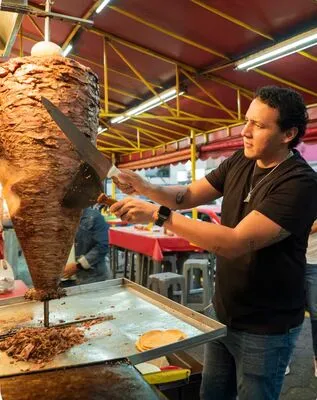
Street stands and taquerías are an important part of the experience, particularly if you want to explore mexican street food. Rather than choosing only one variety, consider trying several styles during your stay.
Tacos al pastor are among the dishes most closely associated with Mexico City. Marinated pork is cooked on a vertical spit and sliced directly onto small corn tortillas.
They are commonly served with onion, cilantro, pineapple, and salsa, although the exact combination can vary between taquerías.
For anyone exploring mexican food Mexico City, tacos al pastor are an easy starting point because they combine familiar ingredients with a distinctly Mexican preparation. They are also one of the most accessible forms of mexican street food for travelers who want to eat like locals.
Chilaquiles are a popular breakfast dish made with pieces of tortilla covered in red or green salsa. They are commonly served with ingredients such as cheese, cream, onion, eggs, or shredded chicken.
The texture can vary depending on how long the tortillas are combined with the salsa. Some preparations keep them relatively crisp, while others are softer and more saturated with sauce.
As one of the traditional mexican dishes commonly enjoyed in everyday life, chilaquiles are an excellent way to experience a typical Mexican breakfast rather than focusing exclusively on foods associated with tourism.
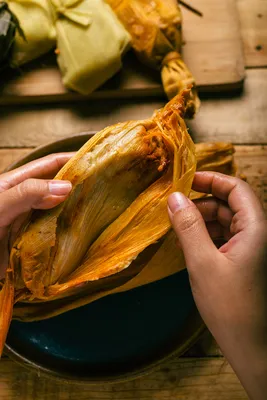
Tamales are one of the traditional mexican dishes that showcase the importance of corn in Mexican cuisine. They are generally prepared with masa and fillings, wrapped in leaves, and steamed until the dough reaches the desired consistency.
The fillings vary considerably. You may find savory versions containing meat, vegetables, or sauces, as well as sweet tamales prepared with ingredients such as fruit or sugar.
Tamales are commonly eaten for breakfast or as a quick meal, and they are also associated with celebrations and family gatherings. Trying them provides an opportunity to experience authentic Mexican cuisine beyond the better-known tacos.
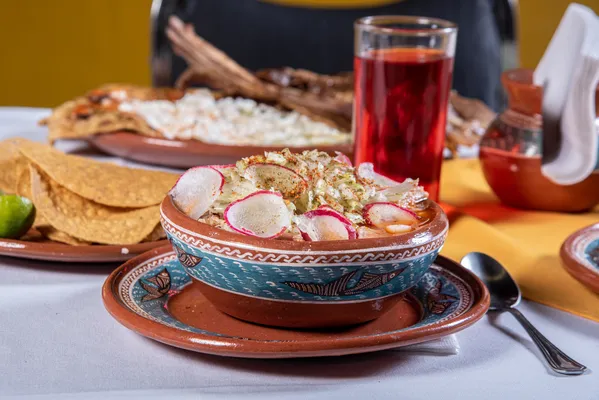
Pozole is a hearty soup made with hominy, meat, and a flavorful broth. It is traditionally served with toppings that allow diners to customize each bowl, such as lettuce or cabbage, radishes, onion, lime, oregano, and salsa.
There are different regional styles of pozole, with variations in ingredients and preparation. The dish is particularly associated with gatherings and celebrations, which gives it an important place within Mexican culinary traditions.
For travelers building a list of must try mexican dishes, pozole offers a different experience from tacos and other quick foods while still providing a direct connection with Mexican food culture.
Mexico City's food culture includes many antojitos made with corn masa. Quesadillas, tlacoyos, sopes, and gorditas are among the options you can encounter at markets, neighborhood food stands, and casual eateries.
Fillings can include cheese, mushrooms, squash blossoms, huitlacoche, meat, or other delicious ingredients. These preparations demonstrate how versatile corn masa is within authentic Mexican cuisine.
Trying different antojitos is a practical way to discover flavors beyond tacos while experiencing the city's everyday food culture.
One of the fun culinary details visitors quickly encounter is that quesadillas in Mexico City may be ordered without cheese. If you want cheese, you may need to specifically request it.
The filling can also vary considerably, which means that ordering a quesadilla can become an opportunity to try ingredients such as mushrooms, squash blossoms, or huitlacoche.
Rather than treating this as simply a linguistic curiosity, it is better understood as one of the small details that make eating in Mexico City an interesting cultural experience.
Corn is central to Mexican cuisine, and elotes and esquites provide two simple ways to experience it.
An elote is a corn cob served with toppings and seasonings, while esquites consist of cooked corn kernels served in a cup. Depending on the preparation, you may find ingredients such as mayonnaise, cheese, lime, chili, and other seasonings.
Both are common forms of mexican street food and can be easy snacks to add between activities. For international travelers, they are also among the must try mexican dishes that demonstrate how an everyday ingredient can become a complete food experience.
After exploring savory dishes, leave room for something sweet!
Churros are widely available in Mexico City, while traditional bakeries, markets, cafés, and restaurants offer additional desserts and pastries.
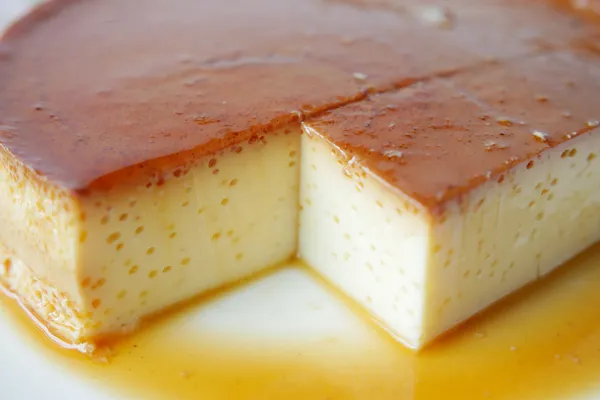
Flan is another familiar option, with its soft texture and caramel topping that make it a popular dessert throughout Mexico.
A useful mexican food guide should leave space for these smaller experiences because desserts and sweet snacks can introduce another side of Mexican culinary traditions.
Both street food and restaurants offer different ways to experience Mexican cuisine. Street stands can provide quick, casual dishes that are closely connected to everyday local life, while restaurants may offer more elaborate preparations and regional specialties.
Markets offer another option, particularly when you want to compare several foods in the same location.
When choosing where to eat, pay attention to food handling, cleanliness, ingredient storage, and how frequently food is prepared. Busy establishments can also be useful places to observe which foods are popular with local customers.
A mexico city food tour can be a practical introduction to the city’s culinary scene, particularly if you are visiting for the first time. Instead of researching individual restaurants and dishes yourself, a local guide can help you navigate different food spots and explain the cultural context behind what you are eating.
A guided experience can also allow you to sample several dishes in one outing, which can help you identify the foods you want to try again during the rest of your trip.
Your food itinerary does not need to include every famous dish. Instead, create a balanced list that combines street food, traditional meals, breakfast dishes, antojitos, snacks, and desserts.
Your mexican food guide could include:
Trying these foods in different settings can turn meals into part of your cultural itinerary. Whether you explore independently or join a local experience, discovering the best Mexican food is also a way to understand Mexico City through its ingredients, traditions, neighborhoods, and everyday life.
Ready to taste Mexico City beyond the typical tourist spots? Join a local food experience with Mexican Tales and discover tacos, traditional flavors, and the stories behind the food that makes the city unique.